
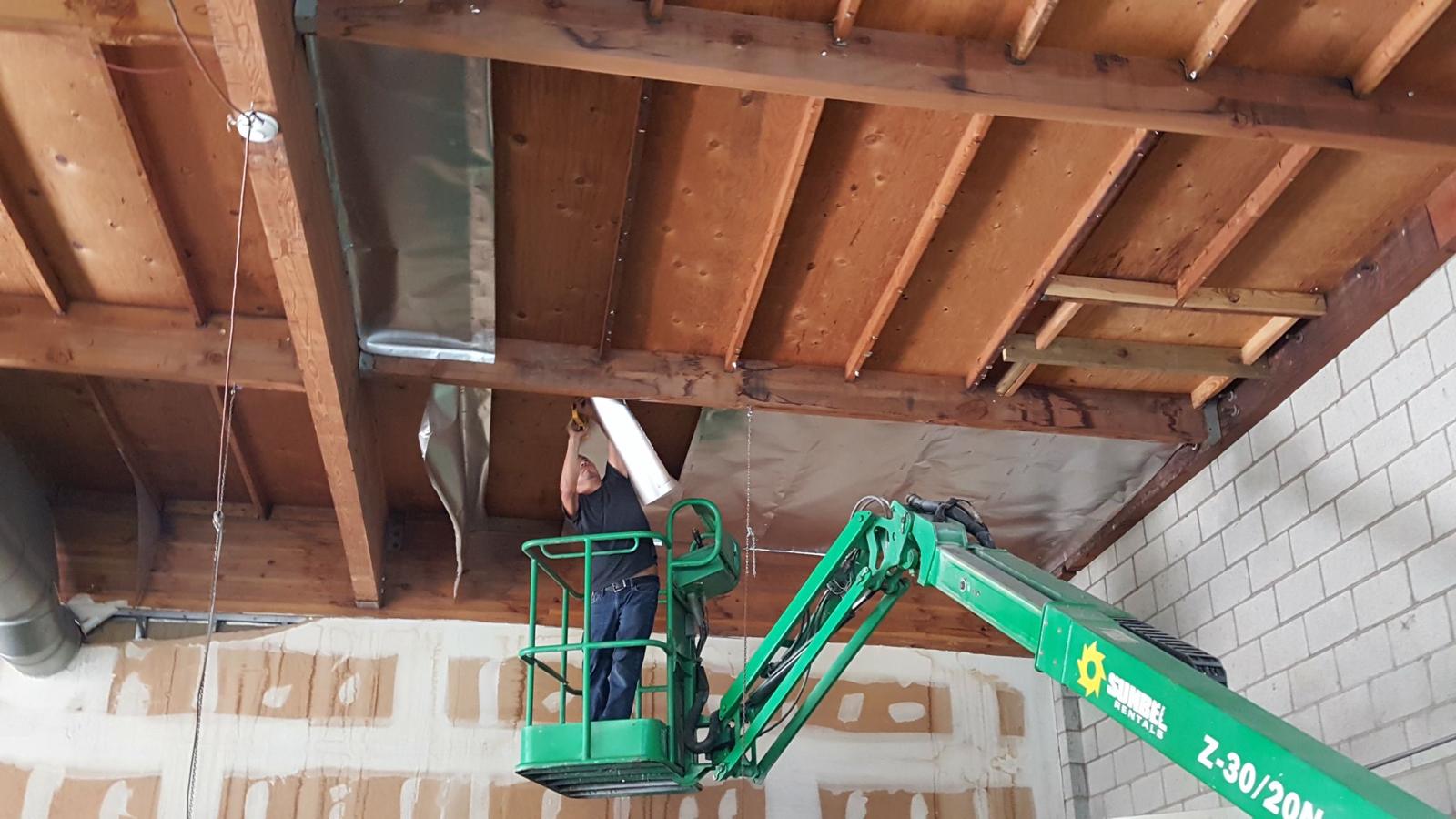
A radiant barrier reflects up to 97% of radiant heat away from your attic, keeping upper floors cooler and reducing strain on your AC during California summers.
What you get
Drops attic temperatures by 20–30°F
On a 95° summer day, an uncovered attic can hit 140°+. A radiant barrier reflects the bulk of that heat back through the roof before it ever loads the attic, so the space your HVAC has to fight against is dramatically cooler.
Lower cooling bills, especially in summer
Less heat soaking into the attic means less heat conducting down into bedrooms and less load on your AC. Southern California homes typically see noticeable summer bill reductions after install.
Extends HVAC equipment life
AC compressors that run constantly through August wear out faster. A cooler attic lets the system cycle normally instead of running flat-out, which adds years to the unit and reduces emergency service calls.
Pairs with your existing insulation
Radiant barrier handles radiant heat; traditional insulation handles conductive heat. They solve different problems, so adding a barrier to an already-insulated attic compounds the gains instead of replacing them.
How it works
- 1
Evaluation
We confirm your attic and roof are good candidates for radiant barrier.
- 2
Preparation
Clear obstructions and inspect existing insulation.
- 3
Installation
Foil barrier stapled to the underside of the roof decking.
- 4
Walkthrough
We review the work with you and answer questions.
Frequently asked
Does radiant barrier replace insulation?
No — it complements it. Radiant barrier handles radiant heat; insulation handles conductive heat.